Many people think oily skin means hydrated skin. In reality, oily skin can still be dehydrated — and this is far more common than most people realise. Understanding the difference can change how you approach your whole routine.
What Is Dehydrated Skin?
Dehydrated skin is skin that lacks water. It's a condition, not a skin type — which means any skin type can experience it, including oily skin.
When the skin doesn't have enough moisture, it can feel tight, look dull, and have a rough or uneven texture. Fine lines may appear more pronounced. The skin may also feel sensitive or reactive even if it normally isn't.
Signs your skin may be dehydrated
- Skin feels tight, especially after cleansing
- Complexion looks dull or lacklustre
- Texture feels rough or uneven to the touch
- Makeup doesn't sit smoothly — it clings or patches
- Fine lines look more visible, even without dryness
- Skin feels oily on the surface but uncomfortable underneath
What Is Oily Skin?
Oily skin is a skin type — meaning it's determined by how much sebum (natural oil) your skin produces. It tends to be a consistent characteristic, influenced by genetics, hormones, and environment.
Oily skin often presents with visible shine, enlarged pores, and a tendency toward congestion. In South Africa's warmer, more humid regions, oily skin can feel even more pronounced — especially during summer months.
Signs of oily skin
- Visible shine across the forehead, nose, and chin
- Enlarged or more visible pores
- Foundation tends to slide or break down during the day
- Prone to blackheads or congested areas
- Skin feels greasy, especially by midday
Why Oily Skin Can Become Dehydrated
This is where many routines go wrong. People with oily skin often reach for harsh, stripping cleansers or over-wash their face to control shine. While this may reduce oiliness in the short term, it can also remove the skin's natural moisture.
When the skin senses that its moisture levels have dropped, it often responds by producing even more oil to compensate. The result is skin that feels greasy on the surface but remains uncomfortable and dehydrated underneath.
This cycle — stripping followed by overproduction — is one of the main reasons oily skin routines can feel like they're not working.
Why Hydration Matters for Every Skin Type
Hydrated skin looks smoother, more even, and more comfortable regardless of skin type. When the skin's moisture levels are balanced, it tends to feel softer and look healthier overall.
Hydrating ingredients work by attracting moisture to the skin or helping it retain the water already present. Hyaluronic Acid is one of the most well-known — it draws moisture into the skin without adding heaviness or contributing to shine. For oily or combination skin, lightweight gels or water-based serums deliver hydration without making the skin feel congested.
How to Balance Hydration and Oil Control
Getting the balance right doesn't require a complicated routine. A few simple adjustments can make a noticeable difference in how your skin looks and feels.
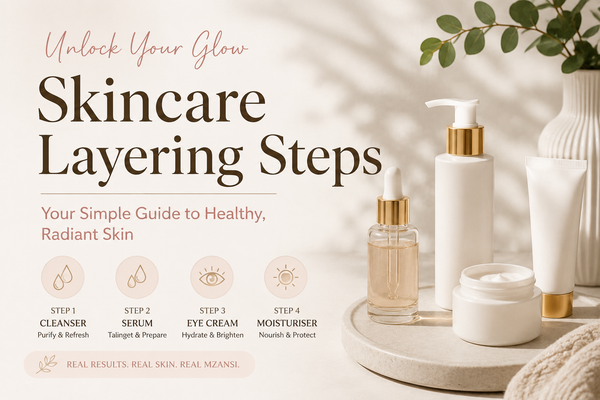
- Use a gentle cleanser. A mild, non-stripping formula helps maintain the skin's natural moisture while still removing excess oil and impurities.
- Add a lightweight hydrating serum. Look for Hyaluronic Acid or Niacinamide. Both work well for oily and combination skin.
- Don't skip moisturiser. Even oily skin benefits from a light moisturiser. Skipping it often leads to more oil production over time.
- Apply SPF every morning. Sun exposure can deplete moisture. A broad-spectrum SPF protects your skin and helps keep hydration levels stable.
- Be consistent. Skin responds to routine. The effects of better hydration habits tend to appear gradually, typically within a few weeks of consistent use.
What Mzansique Skin Products Work Well Here
Our Pink Collagen Capsule Cream is formulated with Hyaluronic Acid and Niacinamide — two ingredients that work together to support a comfortable, hydrated look without feeling heavy on the skin. It's suitable for oily and combination skin types and sits well under makeup.
Niacinamide supports a balanced, more even-looking complexion, which makes it a good fit if you're dealing with both shine and uneven skin tone.
The Bottom Line
Oily skin and hydrated skin are not the same thing. Your skin can be both oily and dehydrated at the same time — and this is far more common than most people realise.
When oily skin is properly hydrated, it often looks more balanced, feels more comfortable, and behaves more predictably throughout the day. Give your skin what it actually needs — not just what it appears to want on the surface.
Hydrate smarter with Mzansique Skin.
Ready to put this into practice?
Our centella-led formulations are built for South African skin — barrier-first, results-proven.
Get Yours Now